
IxD Studio 1 | 2025 Spring 8 weeks
A Wearable Ecosystem for Emotional Regulation
UGLOO is a complementary system for children 8-13 in Behavioral Intervention Plans, to initiate self-regulation while giving care givers, educators, and clinicians shared insights.
Project Discription
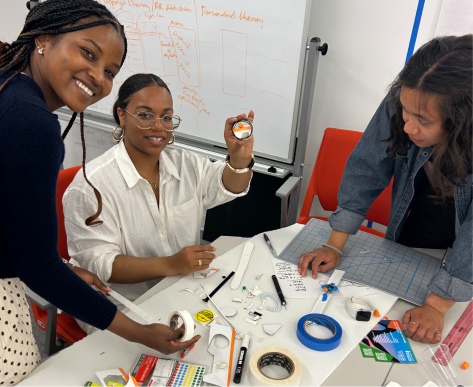
Prototyping Physical Fidget
UGLOO is a wearable and mobile system that supports emotional regulation in children with Level 1 autism through biometric feedback, tactile fidgets, and caregiver co-regulation.
Challenge
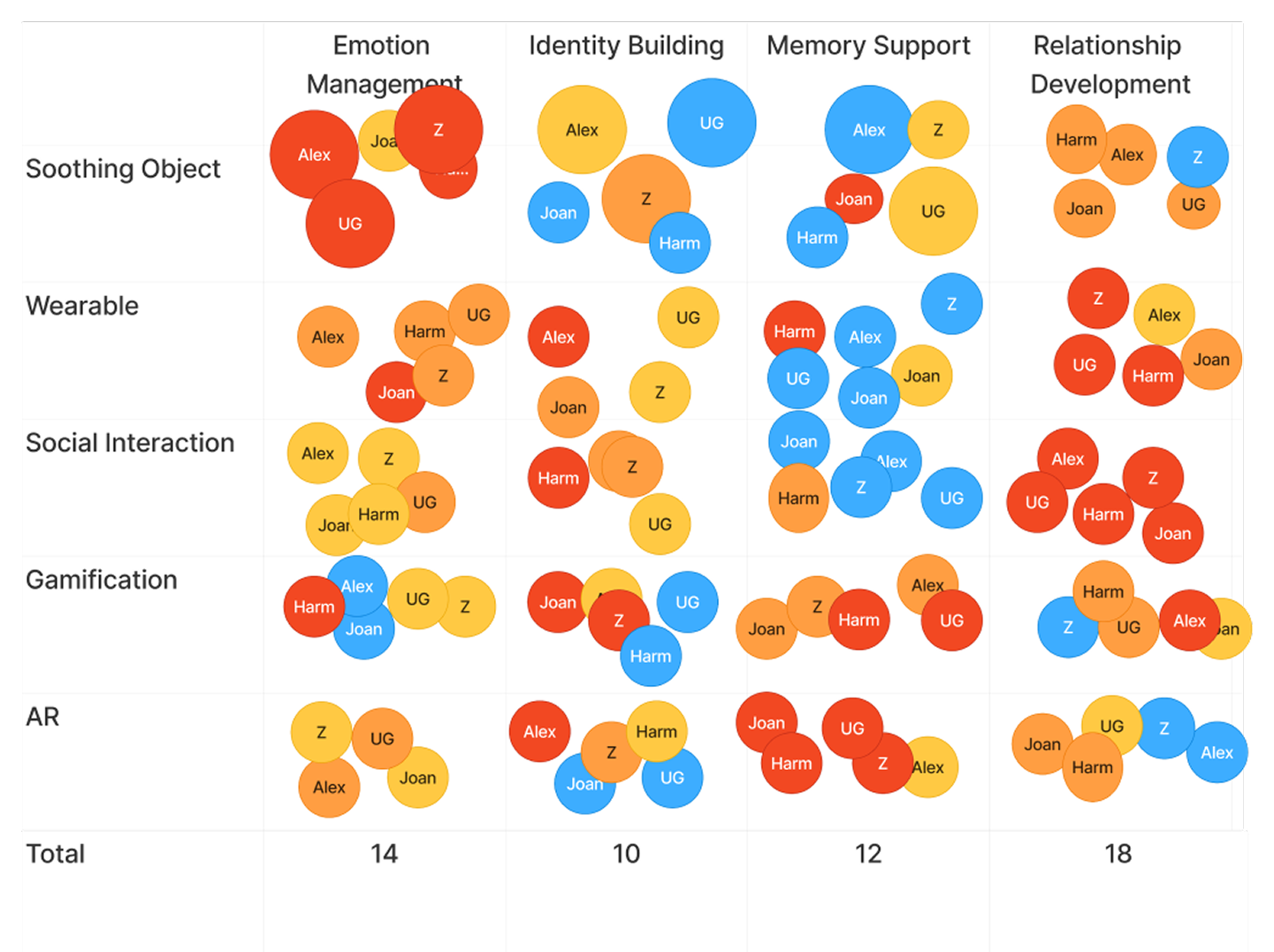
Mindmap
Children with Level 1 autism often experience difficulty recognizing and regulating emotional states in real time, especially in overstimulating environments. Caregivers typically lack timely, actionable insight into when a child is becoming dysregulated, making it harder to intervene early and support healthy co-regulation.
Primary Hypothesis
If emotional regulation tools are designed around a child’s internal cues rather than external disruptions, then children will develop greater emotional fluency and independence, reducing reliance on reactive meltdown management.
Our Approach
How might we design a complementary system for children ages 8–13 in Behavioral Intervention Plans, to initiate self-regulation while giving caregivers, educators, and clinicians shared insights?
Project Role
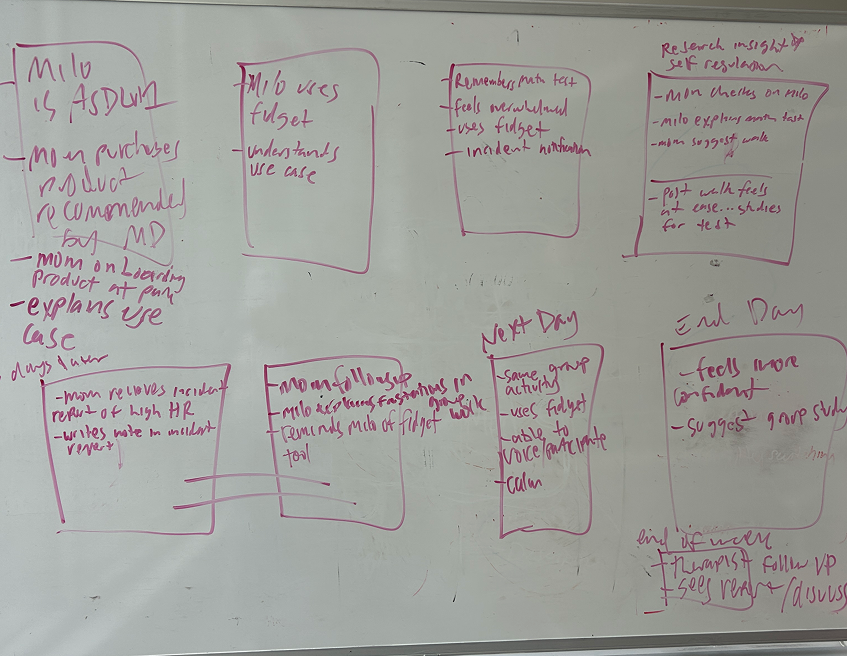
interaction and system design
Ideation of system
I focused on interaction and system design, shaping the structure, flows, and interfaces of the wearable and caregiver mobile app based on research into emotional regulation and co-regulation.
Research

Behavioral Intervention Plans (BIPs) were designed for children with emotional or behavioral challenges in classroom settings.
They rely on observation to identify external behaviors and provide structured responses intended to reinforce positive actions.
Classrooms are increasingly disruptive, but support systems are behind and children feel it first.
Nearly 1 in 7 students in U.S. public schools has a learning or regulation difference and 12% of those are autistic.
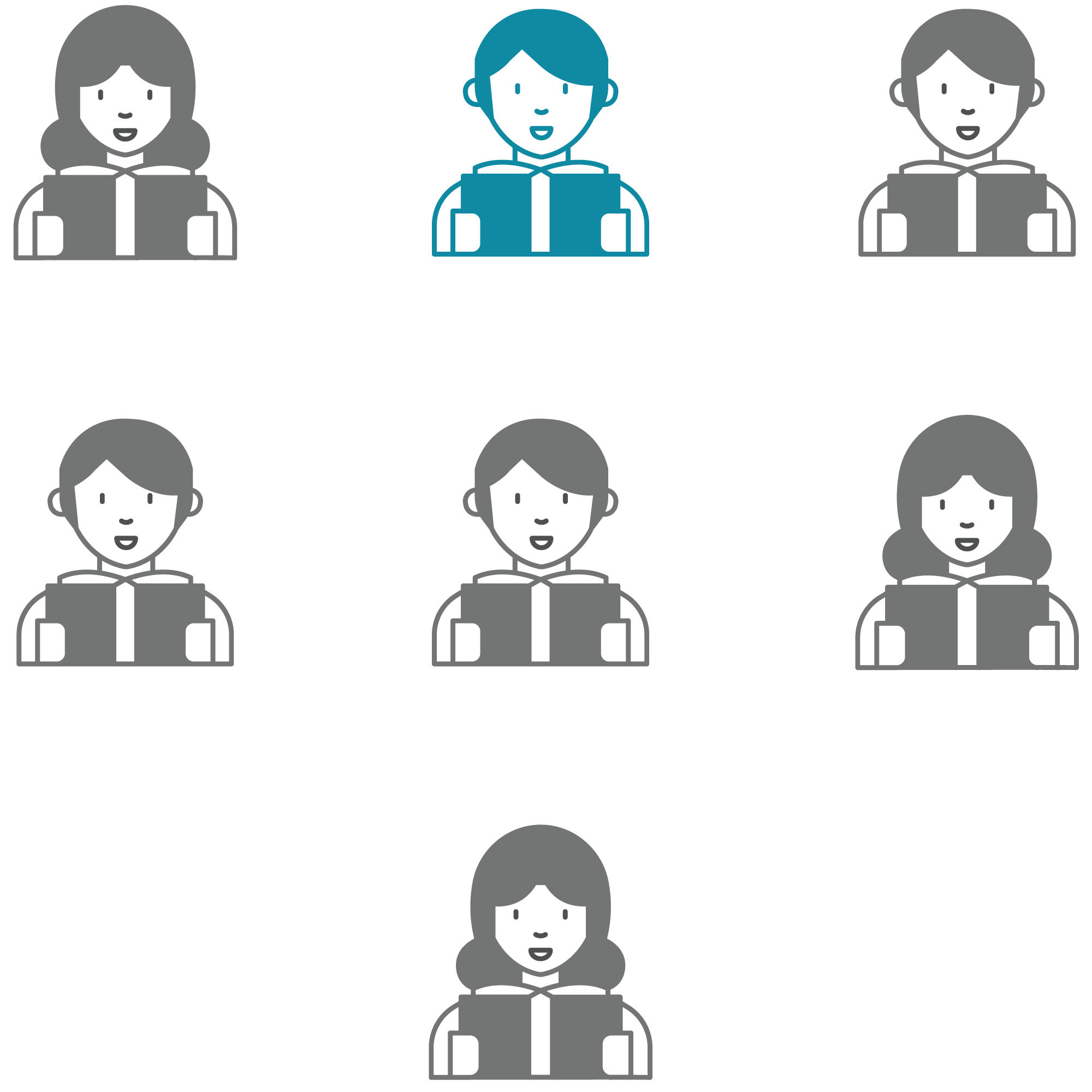
Note: Children with Level 1 Autism are often in general education classrooms, integrated with neurotypical peers. (Pew Research Center, 2022)
Interview

“Long gaps between the child’s distress and the response make it harder to implement positive reinforcement and reflection.”
— Dr. Lea Hald, Interview Professor of Cognitive Psychology
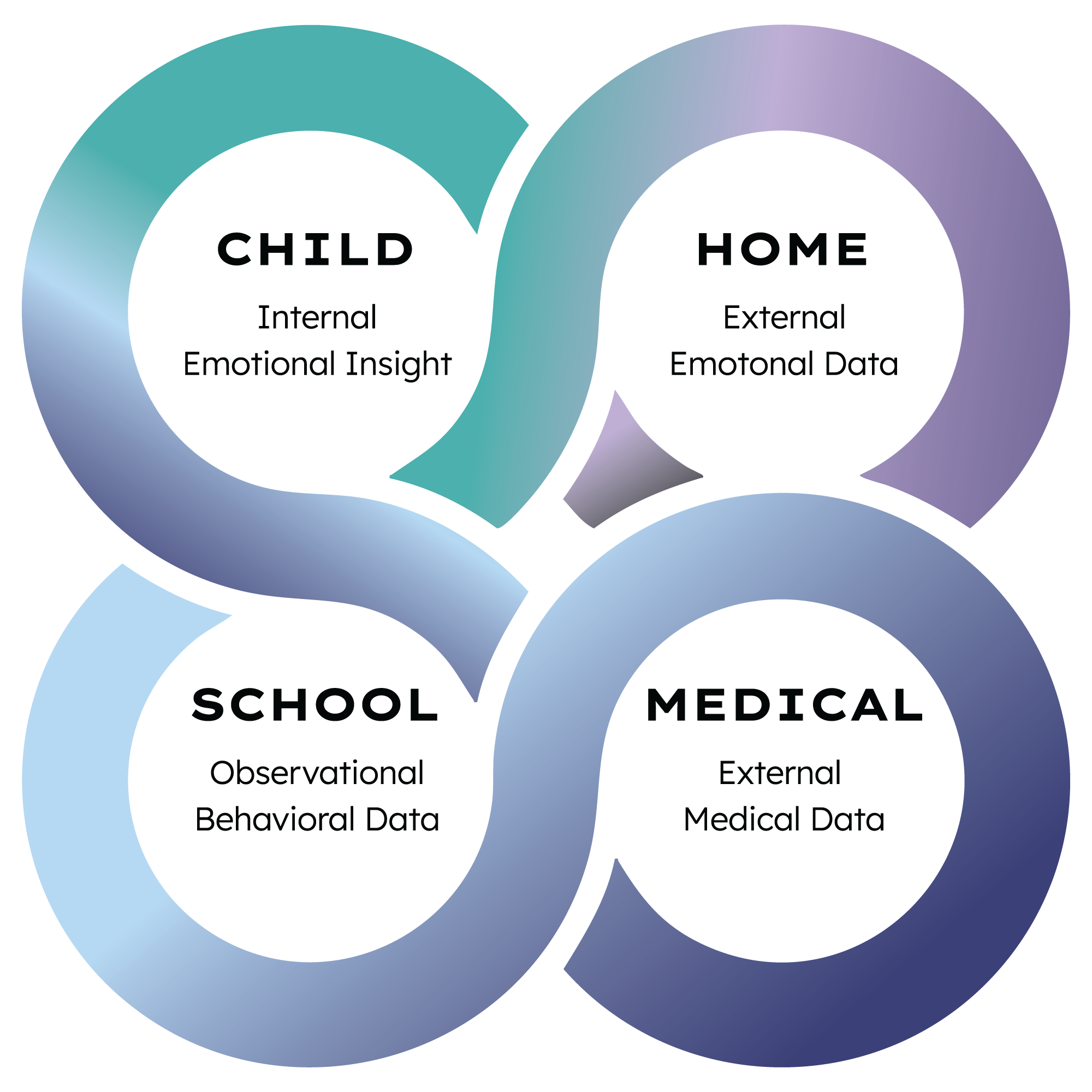
CORE: Child-Oriented Regulation Ecosystem
Emotional, behavioral, and medical data are split across home, school, and clinical environments.
Insight
Emotional regulation tools must be timely, personalized and adaptable. Delayed responses reduce effectives, and static tools may lose engagement. Features like interchangeable fidgets and self-space support diverse stimming needs and empower children to regulate in ways that work for them
Wireframe
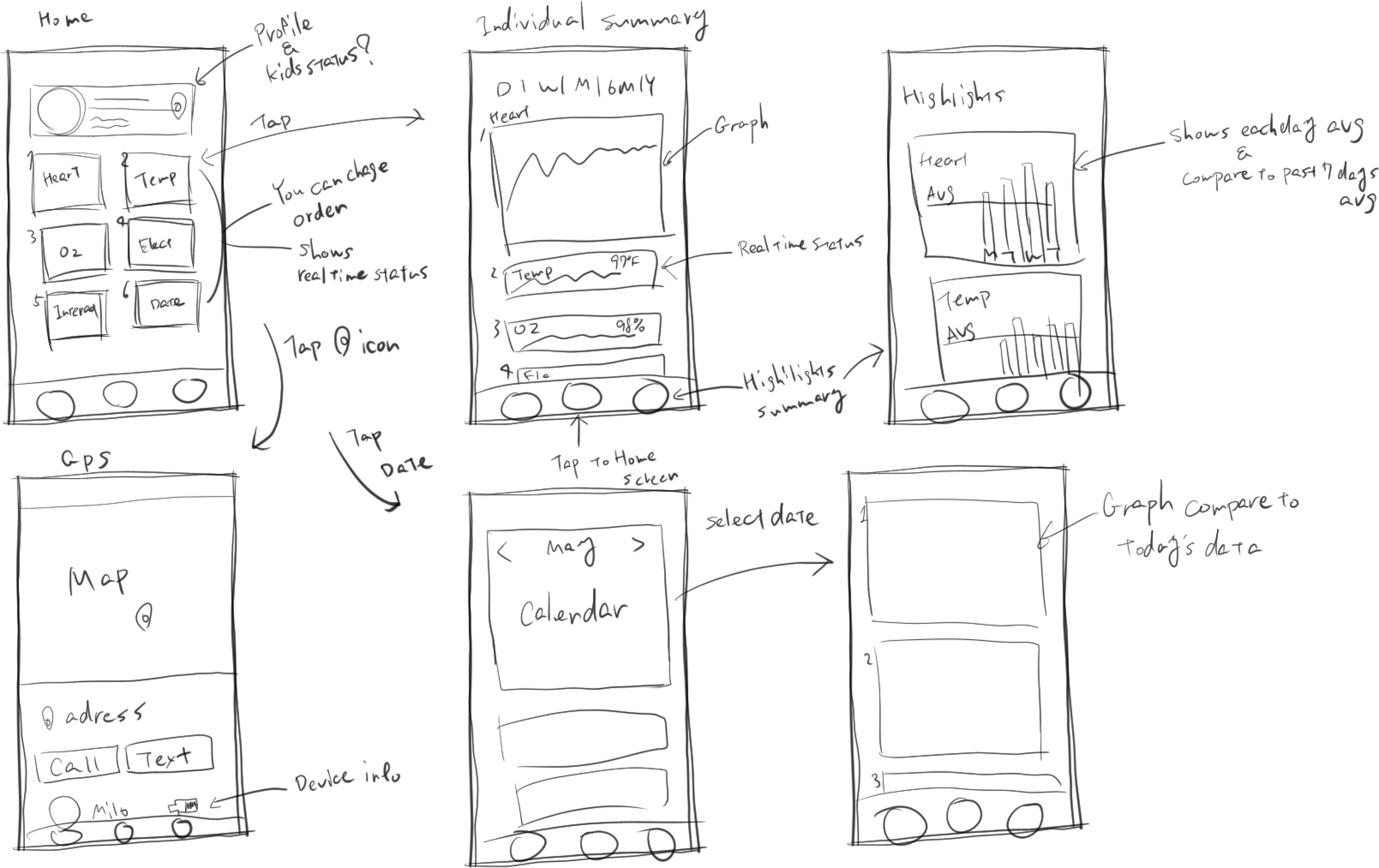
Sketch/ideation of wireframe
Insight (Wireframe Phase)
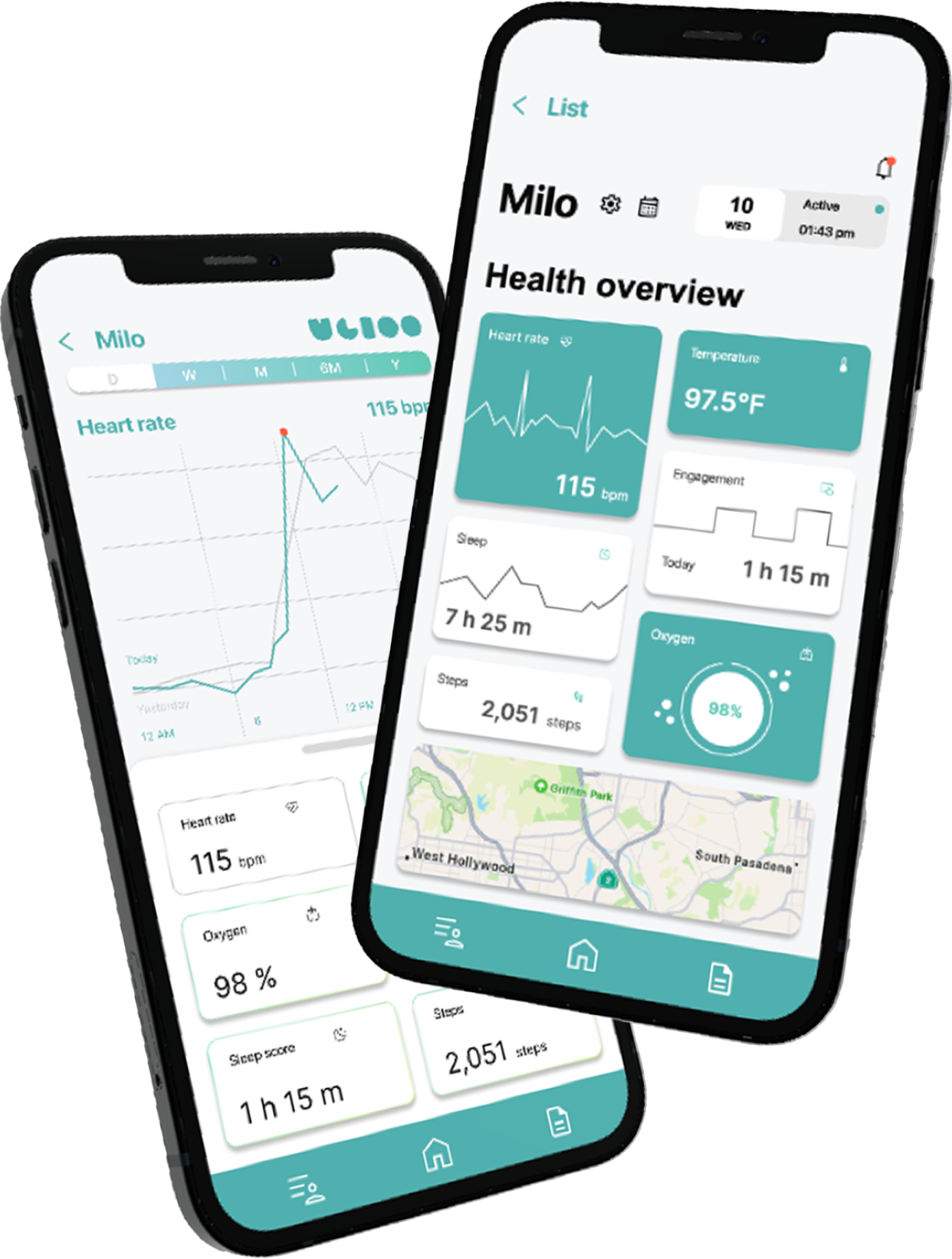
By analyzing how existing health and wellness apps track and visualize biometric signals, I realized that users respond better to simplified, emotionally legible feedback rather than raw data. This insight shaped the wireframes by focusing on clear state indicators and calm visual language that could communicate emotional changes without overwhelming either the child or the caregiver.
Key Findings (Wireframe Phase)
The wireframing process showed that reducing cognitive load was essential for this context. Interfaces that emphasized status, trends, and gentle transitions felt more supportive than screens displaying detailed metrics. These findings guided the decision to prioritize clarity, predictability, and emotional safety in the layout and interaction flow.
Low Fidelity App for gurdian to monitor children
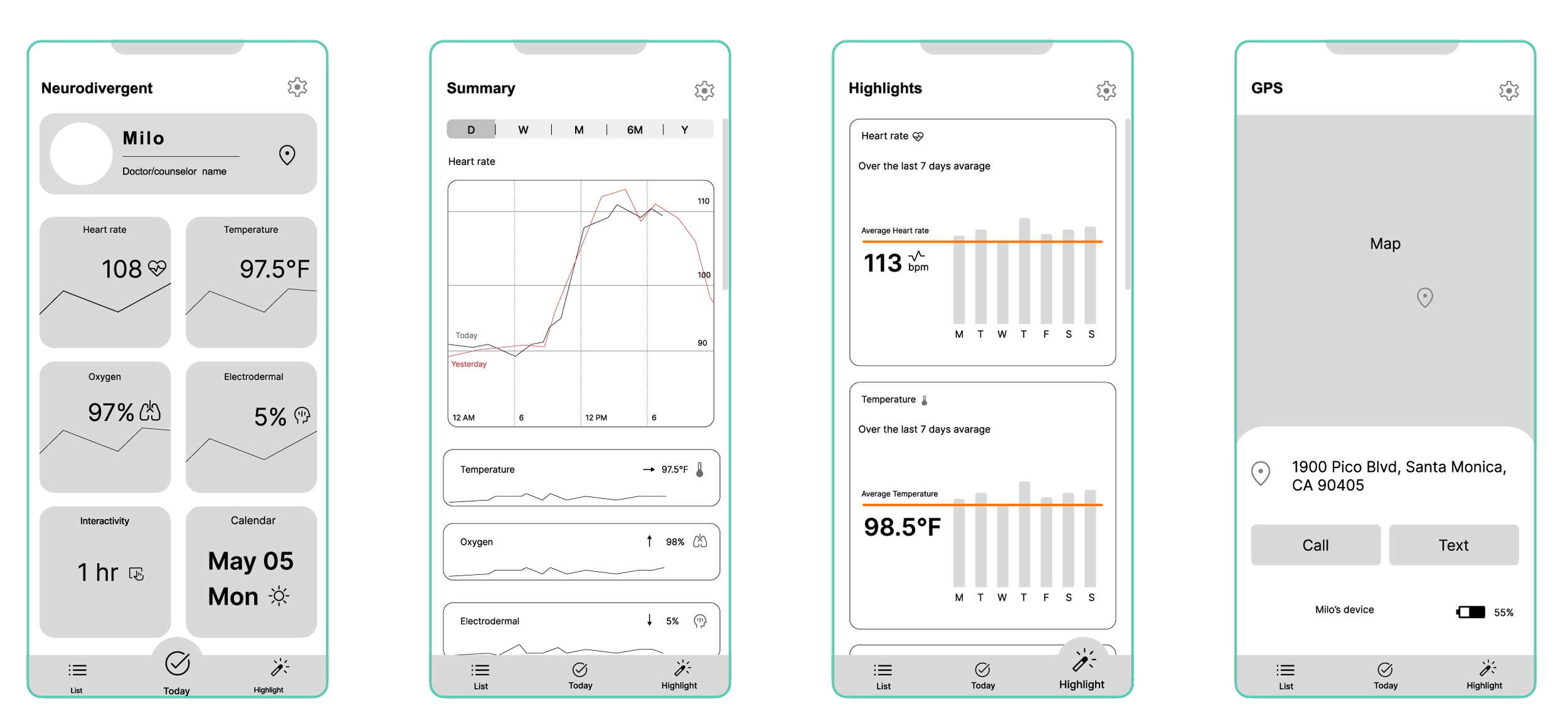
Insight (Low-Fidelity Guardian App)
Designing the low-fidelity guardian app required prioritizing which signals are most meaningful for supporting children’s emotional regulation. Instead of treating all biometric inputs equally, the focus shifted to identifying the most relevant indicators for this context and organizing them into a clear visual hierarchy that caregivers could understand at a glance.
Key Findings (Low-Fidelity Guardian App)
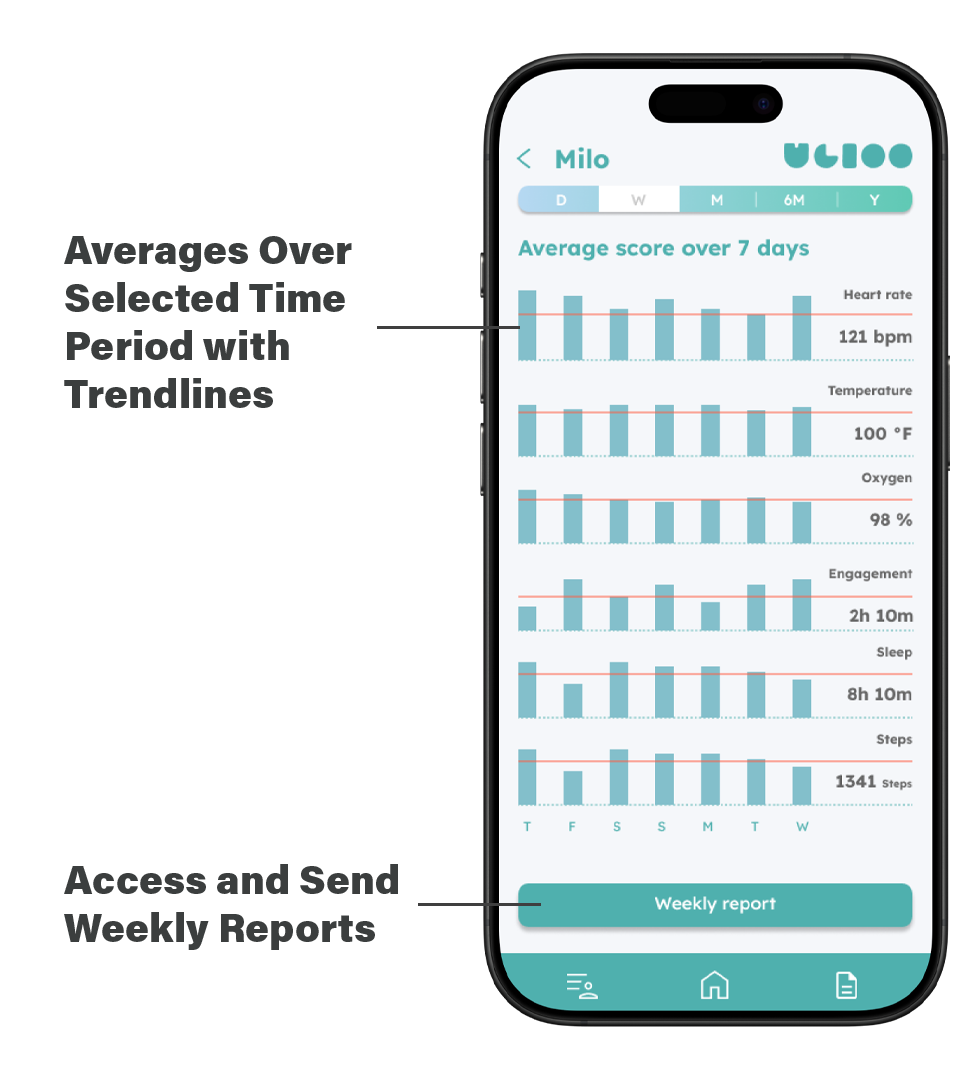
The low-fidelity process revealed that caregivers need a small set of prioritized signals presented in a calm, structured hierarchy to make quick, confident decisions. Emphasizing signal importance over data volume helped reduce cognitive load and ensured the interface supports timely co-regulation rather than constant monitoring.
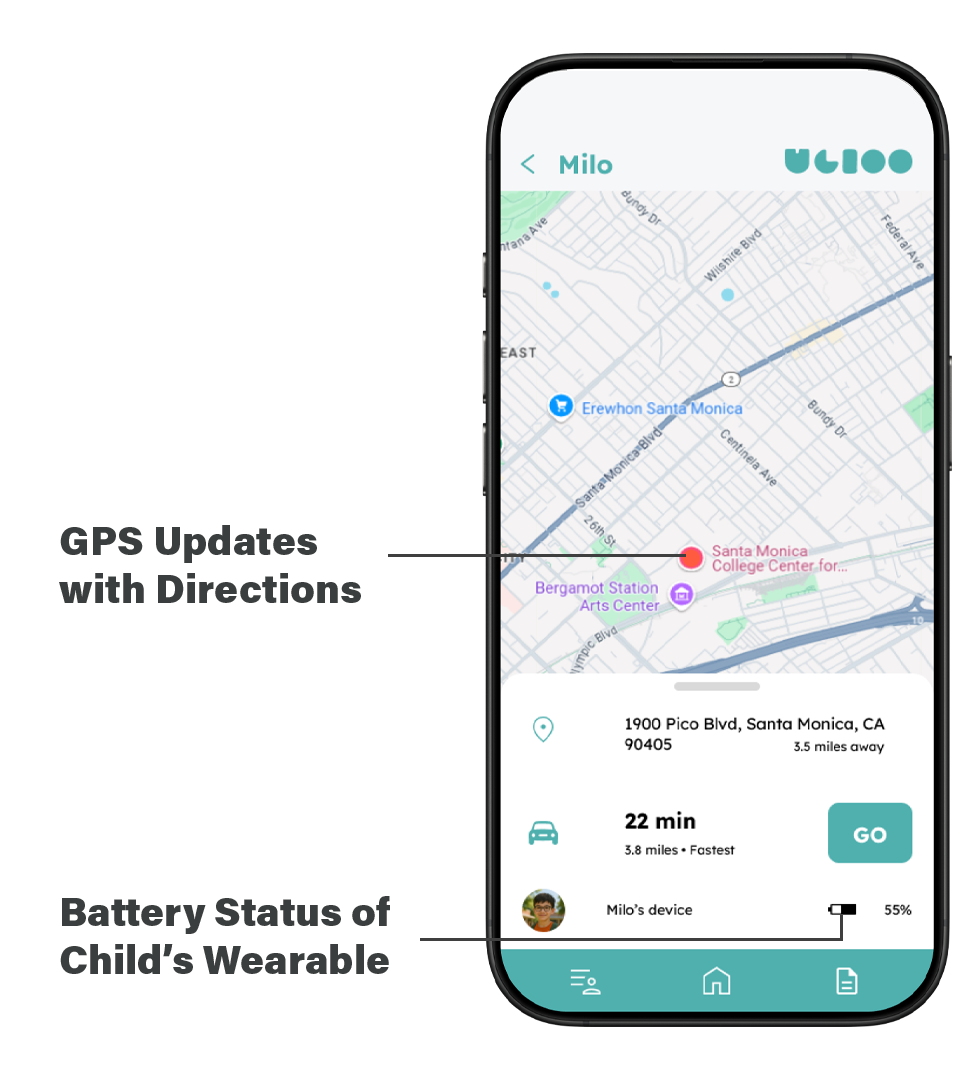
High Fidelity App for gurdian to monitor children
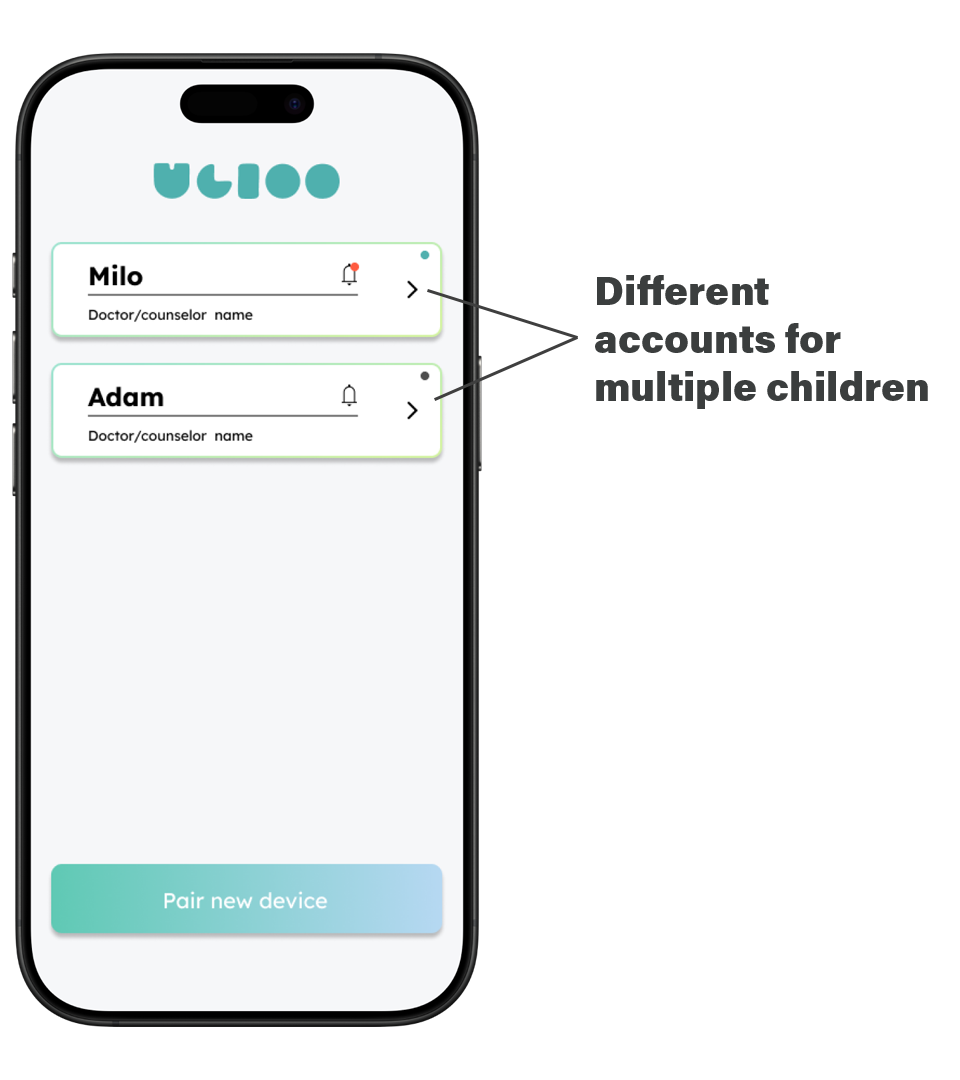
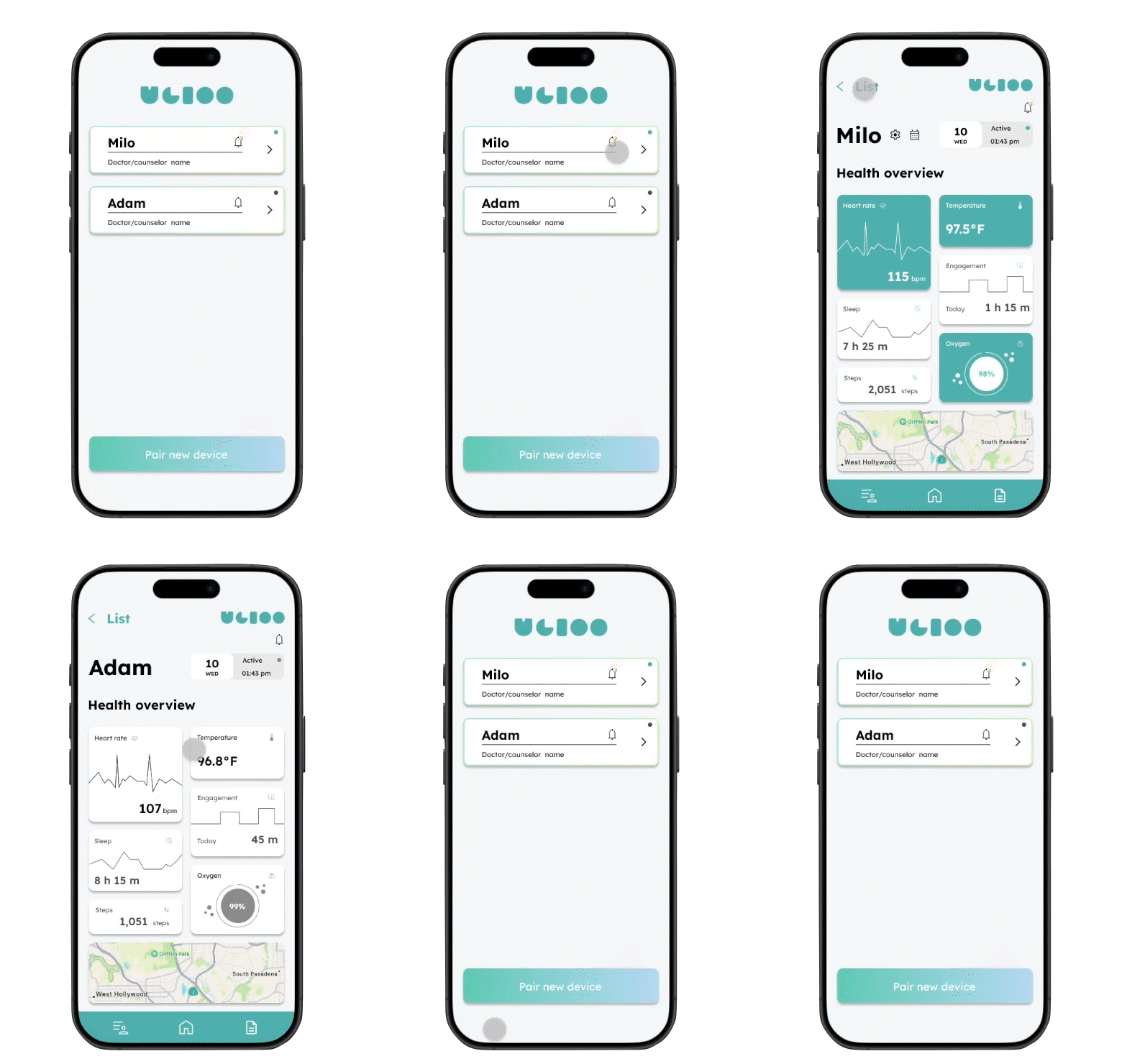
Account & GPS
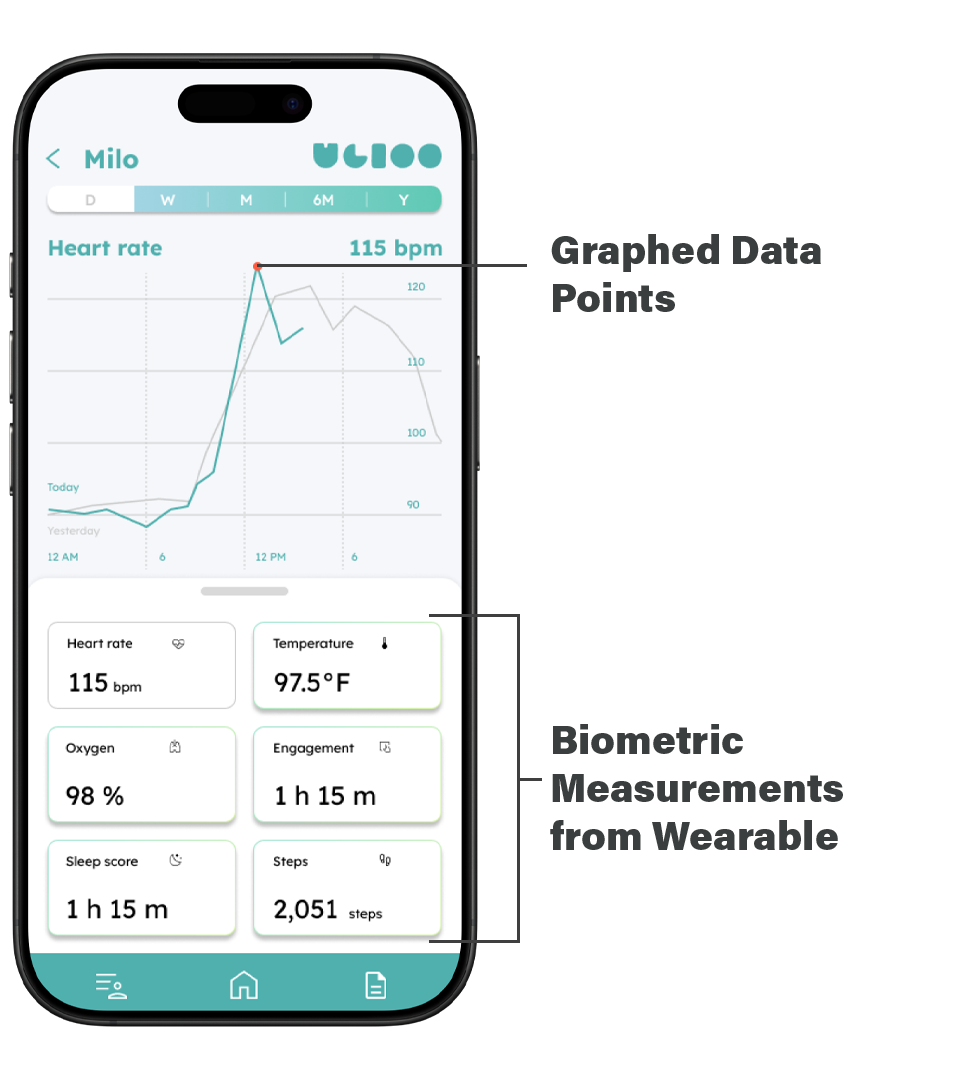
Biometric Data
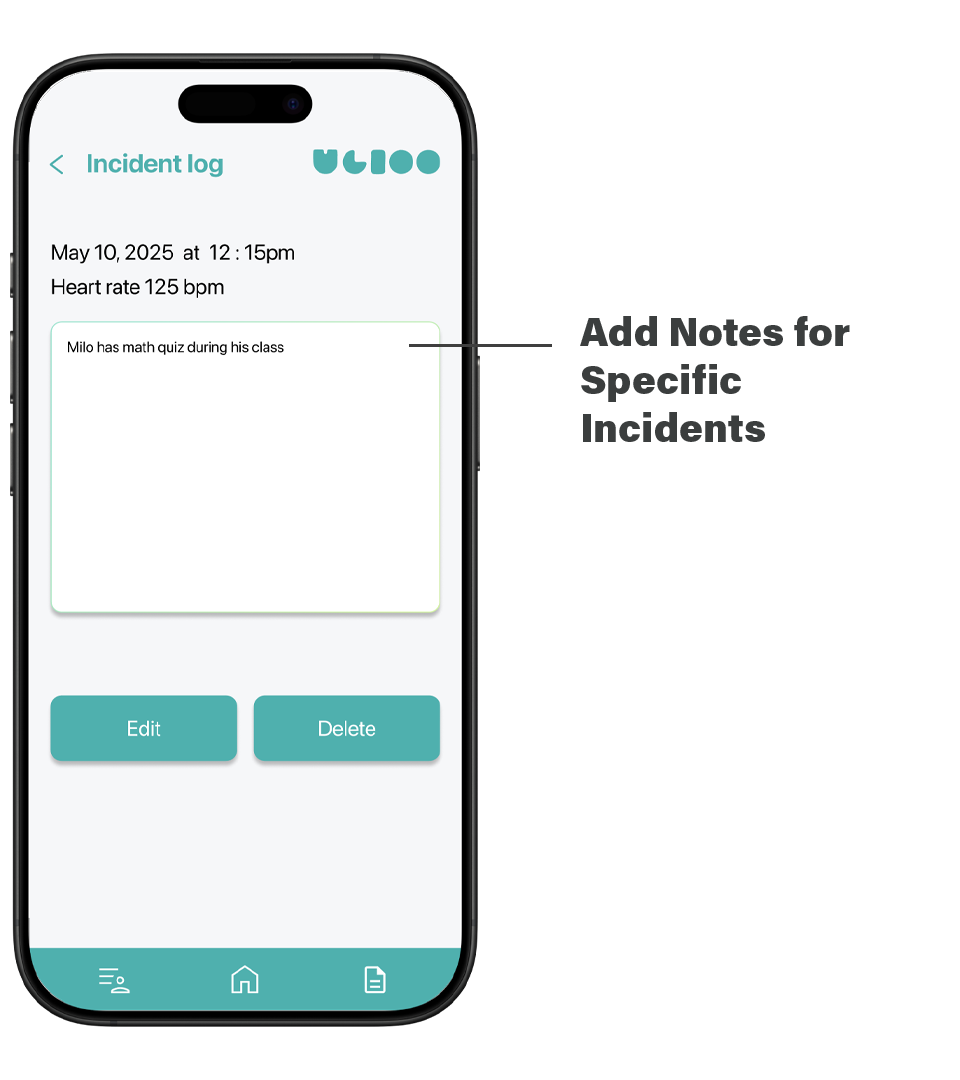
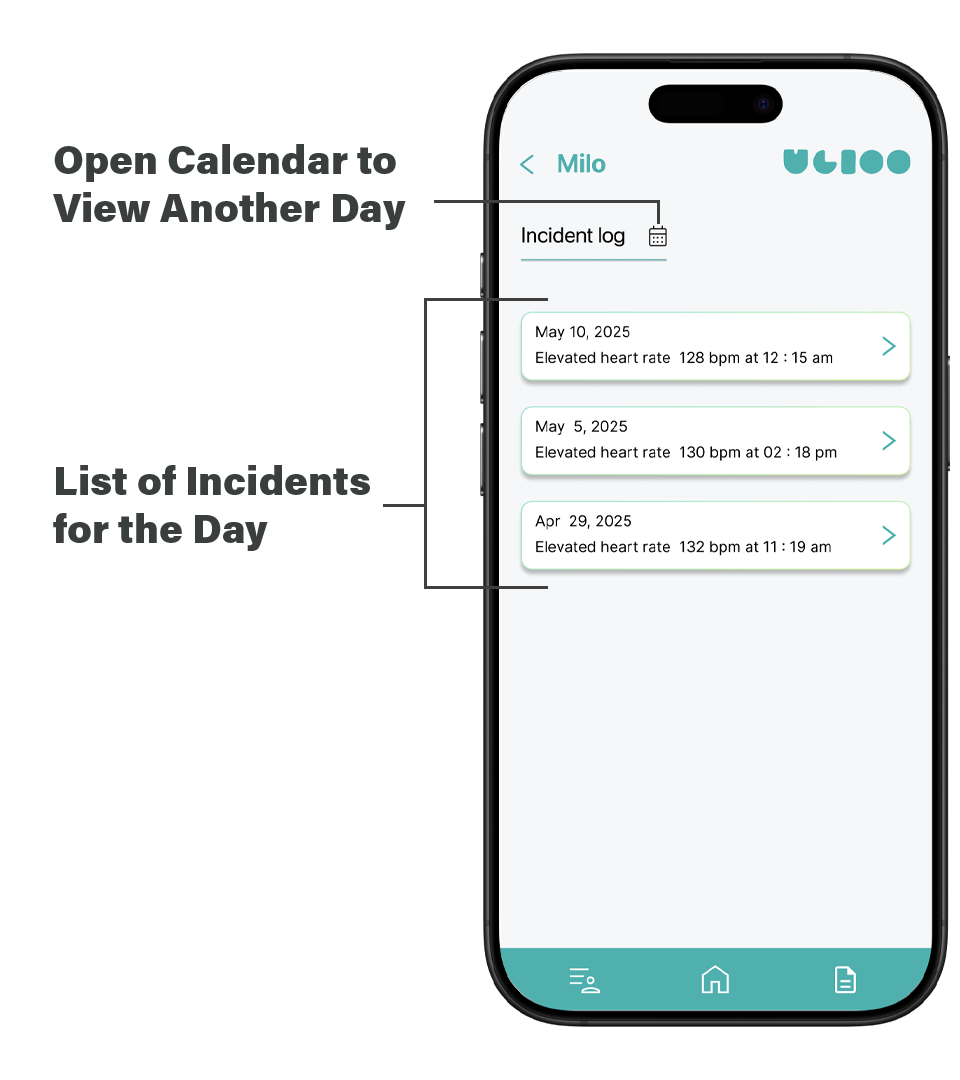
Incident Log
Prototype
Results
Through prototyping and informal interviews with a small number of parents, the project surfaced key usability insights around clarity, hierarchy, and caregiver efficiency. Even though the parents did not have children with autism, their feedback helped validate whether the flows were understandable, whether information priority made sense, and how realistic the monitoring experience felt. These conversations reinforced the importance of simplifying signals and designing for quick comprehension, helping refine the prototype toward a more practical and supportive caregiver experience.
Reflection & Next Step
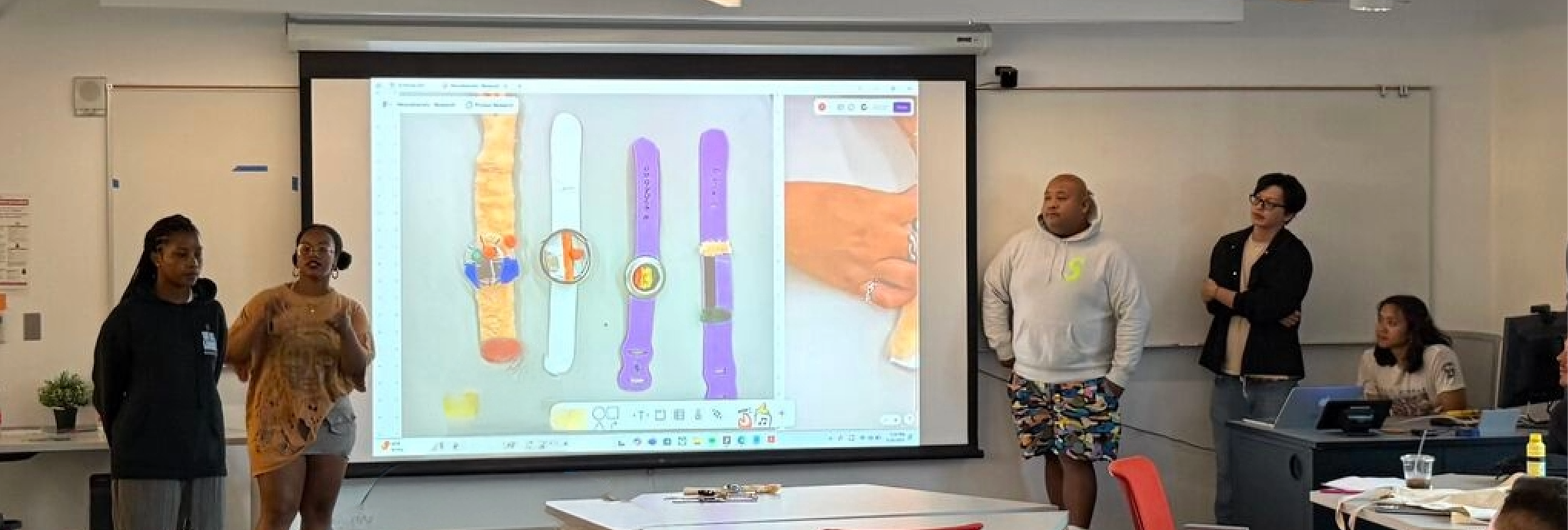
Final presentation
Final Reflection
This project helped me better understand how designing within sensitive contexts requires restraint, clarity, and empathy. I learned the importance of prioritizing signals, reducing cognitive load, and designing systems that support people rather than overwhelm them. Working on UGLOO also shifted how I think about responsibility in design, especially when creating tools for children and caregivers.
Next Steps
The next step for this project would be to expand the system with a dedicated screen for caregivers and medical professionals to communicate more easily. This could include shared summaries, trends over time, and notes that support collaboration between caregivers and doctors while maintaining privacy and emotional safety.